


Gambling rituals Exploring cultural perspectives around the world
The Origins of Gambling Rituals
The history of gambling rituals can be traced back to ancient civilizations, where games of chance were often intertwined with spiritual beliefs and societal customs. For instance, the Chinese have a long-standing tradition of gambling, dating back thousands of years, where dice games were associated with fortune-telling practices. These rituals often involved not just the act of gambling but also ceremonies aimed at appeasing the spirits or deities believed to influence luck and fate.
Similarly, in ancient Rome, gambling was a significant aspect of public life, often celebrated through festivals where citizens would engage in various games. The Romans believed that luck was a capricious force, and many would participate in rituals to invoke the favor of Fortuna, the goddess of luck. This connection between gambling and spirituality highlights how rituals have shaped the way societies view chance and fate throughout history.
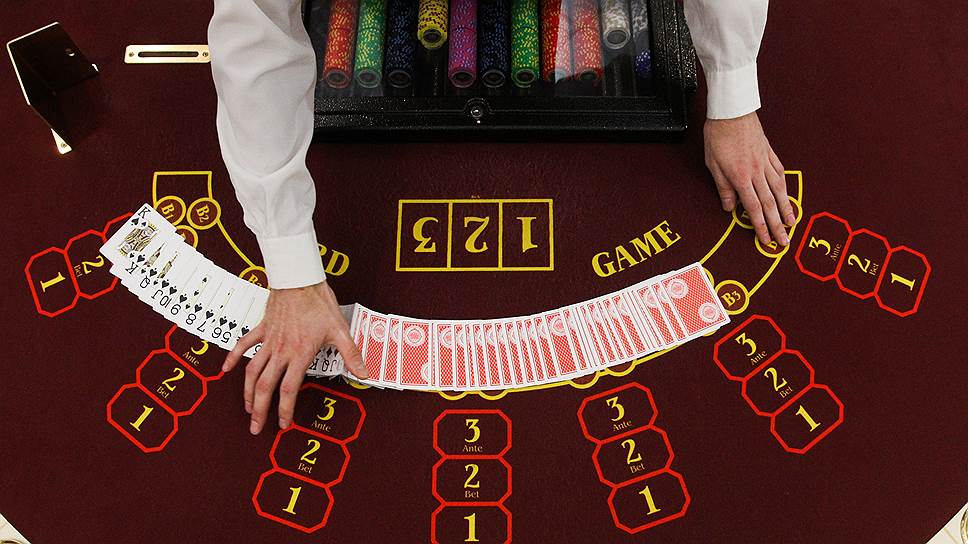
As cultures evolved, so did their gambling rituals. Today, many of these historical practices have been adapted into modern gambling experiences, yet they retain their cultural significance. For example, in many Native American communities, gambling is not only a form of entertainment but also a means of cultural expression, with rituals surrounding the games often involving traditional music and dance.
Regional Variations in Gambling Rituals
Different regions around the globe have developed unique gambling rituals that reflect their cultural contexts. In many Asian cultures, for instance, the lunar calendar plays a vital role in determining the auspicious times for gambling activities. Celebrations like the Lunar New Year in China see families engaging in games like mahjong or card games, accompanied by rituals aimed at ensuring prosperity and good fortune in the coming year.
In contrast, in Western cultures, rituals surrounding gambling are often more secular and entertainment-focused. Las Vegas, known as the gambling capital of the world, showcases elaborate ceremonies and performances that accompany high-stakes games. The atmosphere is electric, with rituals like placing a “lucky bet” or wearing specific clothing believed to bring good luck becoming part of the gambling experience.
Moreover, in African cultures, gambling rituals can include traditional games that promote community bonding, often played during significant celebrations. These activities serve to strengthen social ties and celebrate cultural heritage, showcasing how gambling transcends mere chance and becomes a collective experience enriched with meaning.
The Psychological Impact of Gambling Rituals
The psychological effects of gambling rituals are significant and multifaceted. Engaging in rituals can create a sense of control and predictability for players, which is particularly important in the inherently uncertain world of gambling. This feeling of control can be comforting, leading individuals to believe that certain actions, such as wearing a ‘lucky’ charm or repeating specific phrases, may influence their odds of winning.
However, while these rituals can provide psychological benefits, they can also lead to detrimental effects. The belief in lucky rituals may contribute to a gambler’s fallacy, where individuals mistakenly believe that past outcomes influence future results. This misunderstanding can lead to increased gambling behavior, as players may feel compelled to participate in rituals to maintain their perceived good luck.
Furthermore, the communal aspect of gambling rituals can amplify their psychological effects. Group rituals, such as celebrating a win together or participating in collective games, can enhance the emotional experience of gambling. This shared participation fosters social connections but can also lead to peer pressure, encouraging individuals to gamble more than they might otherwise choose to.
The Role of Technology in Modern Gambling Rituals
Technology has significantly transformed gambling rituals in contemporary society. Online casinos have emerged, allowing players to engage in their favorite games from the comfort of their homes. However, even in virtual environments, players often develop personal rituals to enhance their gaming experience, such as specific times of day for playing or routines before starting a game.
Live dealer games have also revolutionized online gambling by bridging the gap between traditional rituals and modern technology. Players can interact with live dealers in real-time, creating a social atmosphere reminiscent of physical casinos. This interaction allows individuals to maintain their rituals, such as greeting the dealer or performing a lucky gesture, even in a digital space.
Moreover, mobile gaming applications often integrate gamification elements that encourage players to adopt new rituals. Features like daily bonuses or achievement badges can create a sense of accomplishment, prompting users to engage in rituals that enhance their gaming experience. Technology thus acts as a catalyst in evolving gambling rituals while retaining their cultural significance.
Online Gambling Platforms and Community Rituals
Online gambling platforms like Slotoro Casino have introduced new dimensions to gambling rituals, enabling players to participate in a diverse gaming community. These platforms offer a wide range of games, facilitating a blend of cultural experiences that users can engage with. Players can share their rituals, strategies, and experiences through forums or social media, creating a sense of belonging within the online gambling community.
Furthermore, online casinos often celebrate specific themes or events, prompting users to partake in special promotions or games that align with cultural rituals. For example, many platforms host tournaments during significant holidays, encouraging players to engage in themed activities that honor various traditions while fostering a competitive spirit.
As online gambling continues to evolve, understanding the importance of rituals within this context will be crucial. Platforms like Slotoro Casino aim to create an engaging and culturally rich environment, allowing players to experience the thrill of gambling while respecting their individual rituals and cultural backgrounds. This balance between tradition and modernity enhances the overall gaming experience, making it a unique journey for players around the globe.